Amplifying voices from South Asia and the Global South, to shape a bold urban resilience agenda.
The flagship urban resilience forum of local governments, led by ICLEI South Asia.
A unique platform for knowledge exchange and collaboration between local governments, stakeholders, and urban practitioners from the Global South.
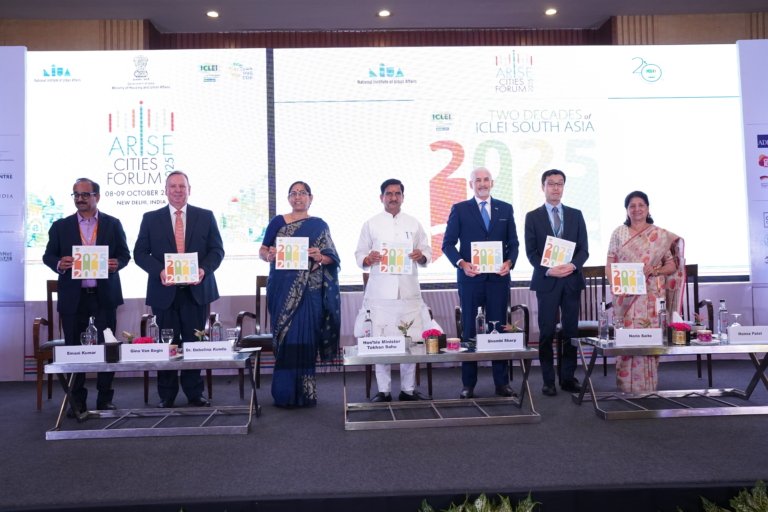
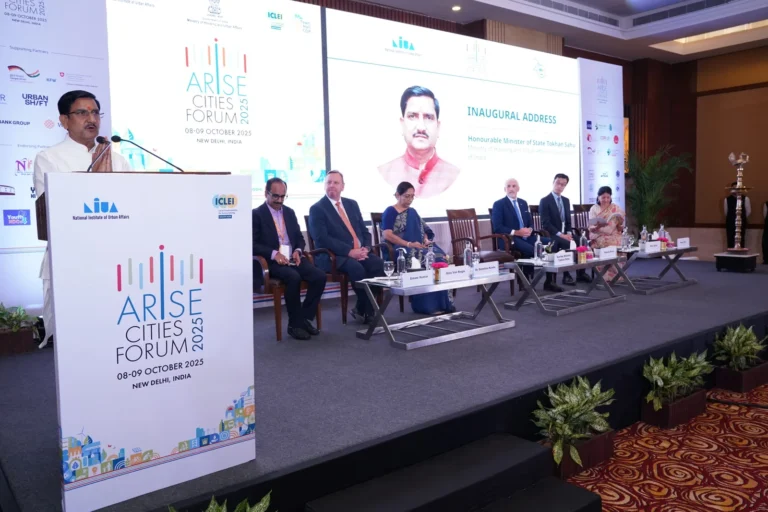
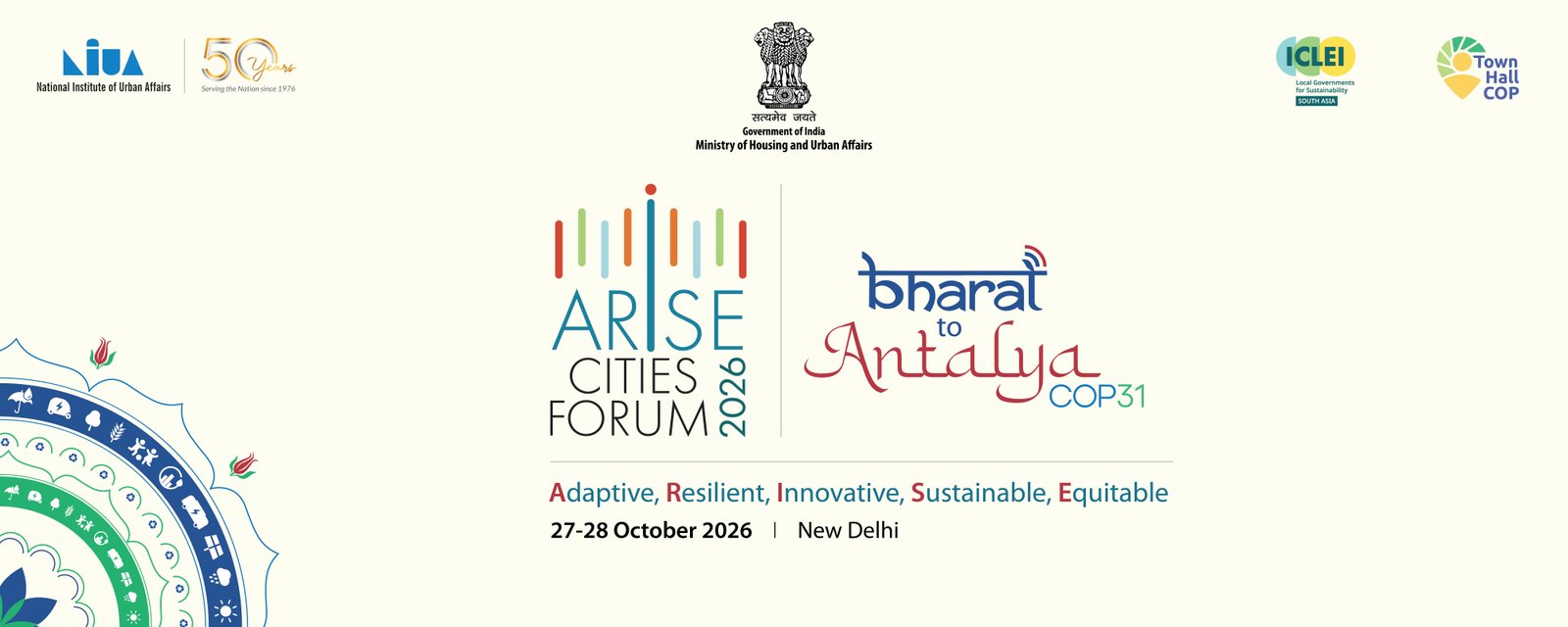
ARISE — Adaptive, Resilient, Innovative, Sustainable, and Equitable — is the flagship urban resilience forum of local governments, led by ICLEI South Asia. Under the theme “Bharat to Antalya: Commit. Plan. Deliver,” ARISE Cities Forum 2026 will connect, collaborate, and co-create solutions, capturing voices of the Global South for urban system transitions.
In its second year, the forum promises two transformative days of dialogue, innovation, and collaboration with 100+ speakers and 200+ delegates. With a focus on pressing urban challenges, ARISE provides a unique platform for knowledge exchange and collaboration.
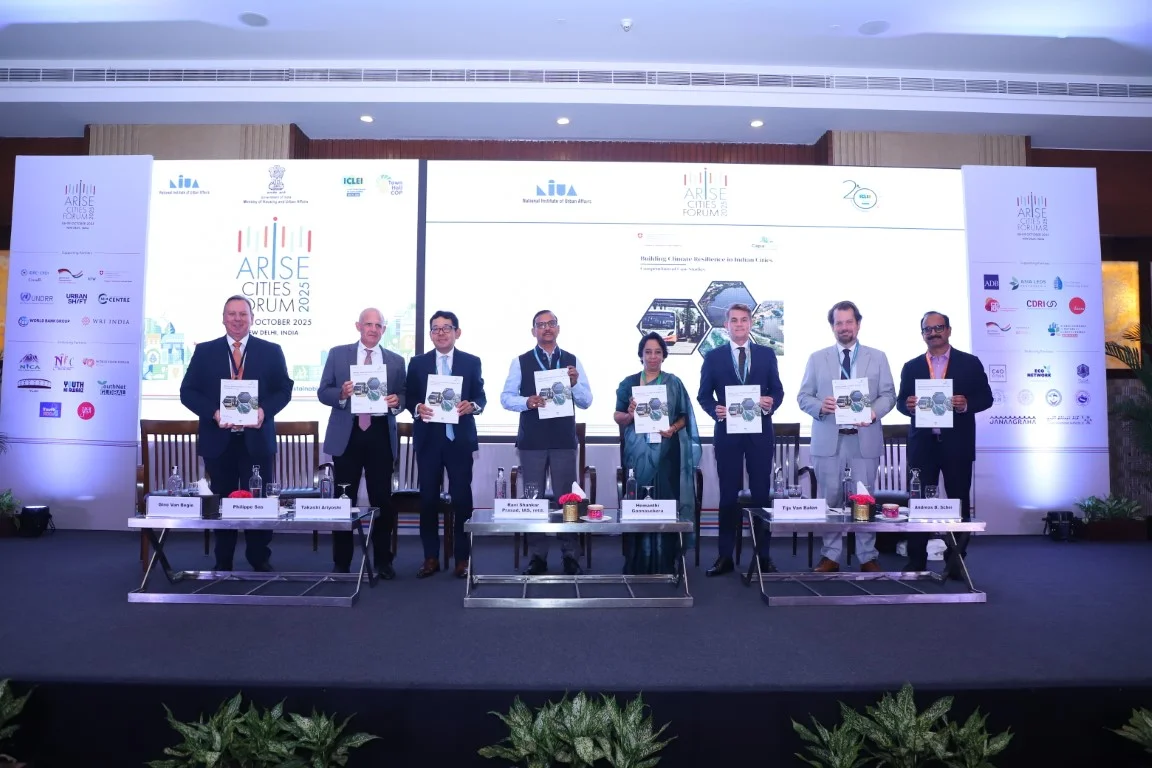
Launches:
Opening Plenary
The session positions itself as the bridge between commitment and on-ground delivery, where cities, through multilevel action, turn climate pledges into measurable results. Your expertise and insights would be a valuable addition to the discussion, contributing to a shared vision for inclusive, climate-resilient, and sustainable urban development.
Moderator:
Panellists:
PARALLEL SESSION 1
Rapid urbanisation and climate change are intensifying both urban flooding and seasonal water scarcity, revealing the shortcomings of traditional water management methods.
This session will examine how cities can shift from isolated drainage and water supply solutions to an integrated urban water management approach. Emphasis will be placed on proactive planning, water body rejuvenation, nature-based solutions and community participation to create water-secure, climate-resilient urban areas.
Welcome:
Keynote Addresses:
Panel discussion: Rethinking water: Floods, Water security and Water resilient future
Moderator:
Panellists:
PARALLEL SESSION 2
The global energy transition is gathering pace, with a record addition of 692 GW of renewable capacity, and India is targeting 500 GW of non-fossil capacity by 2030, a scale-up that will require large-scale energy storage deployments. As cities account for around 70 percent of global emissions, urban mitigation efforts are crucial to meeting these ambitious commitments. For the rapidly growing cities of South Asia, with much of their future building stock yet to be built, how their built environment is designed and powered will play a significant role in shaping this transition.
This session will explore how local governments and distribution companies can scale up net-zero buildings and integrate distributed renewables and storage across the urban built environment and local distribution grids.
Moderator:
Keynote Addresses:
Presentation: Opportunities and Enablers for Sustainable Energy Transition in South Asian Cities
Presenter:
Panel Discussion: Decarbonising the Urban Built Environment: Scaling Sustainable Energy Transition in Cities through Policy, Technology, Finance and Partnerships
Panellists:
PARALLEL SESSION 3
The session delves into the power and possibilities that lie in the coexistence of the natural and engineered world. This session would additionally highlight the importance of co-benefits, the value of natural assets and biodiversity. The session explores how target 12 of Kunming- Montreal Global Biodiversity Framework can serve as a guiding framework to balance urban ecology, resilience and development.
Moderator:
Keynote Address:
Panellists:
Launch: Guidelines on Canal Restoration using Nature-based Solutions
PARALLEL SESSION 4 (By invite only)
The conversation will connect the emerging global agenda around the Culture Global Stocktake and UNFCCC’s Entertainment and Culture for Climate Action (ECCA) Strategy with the realities of South Asian cities, while moving beyond narrative framing to position culture as an actionable lever for systemic urban resilience.
It will explore how these approaches can inform locally grounded climate action, aligned with the Culture Global Stocktake for Climate Action (CGST), which will deliver its first stocktake at COP31 in Türkiye.
Moderator
Framing Presentation:
Roundtable panellists:
Jointly organised by C40 Cities and NIUA | (By invite only)
C40 Cities and the National Institute of Urban Affairs are jointly convening a closed-door roundtable to bring together key stakeholders to discuss how climate can be systematically mainstreamed into city procurement systems across India. The roundtable aims to:
Opening remarks
Roundtable speakers
PARALLEL SESSION 5
The session aims to establish the evidence base and limits of nature-based and hybrid coastal defence approaches in India.
It will examine the technical and planning challenges of shifting from site-specific hard coastal defences to integrated, nature-based and hybrid approaches. The session will delve into looking where interventions such as mangroves, salt marshes, dunes and reefs can provide effective protection, where engineered measures remain necessary, and how these choices can be informed by local coastal dynamics, erosion patterns and ecosystem conditions. Discussion will explore coast-scale planning, community knowledge, urban infrastructure integration, and the policy, financing and institutional mechanisms needed to translate evidence into durable, context-specific solutions.
Moderator:
Panellists:
PARALLEL SESSION 6
This session will explore integrating public health into climate-resilient urban planning. Experiences from Indian cities and international cities along with expert insights will delve deeper to understand the approaches to embed health in master plans and Climate Resilient City Action Plans.
Welcome and Introduction:
Context-setting Presentation:
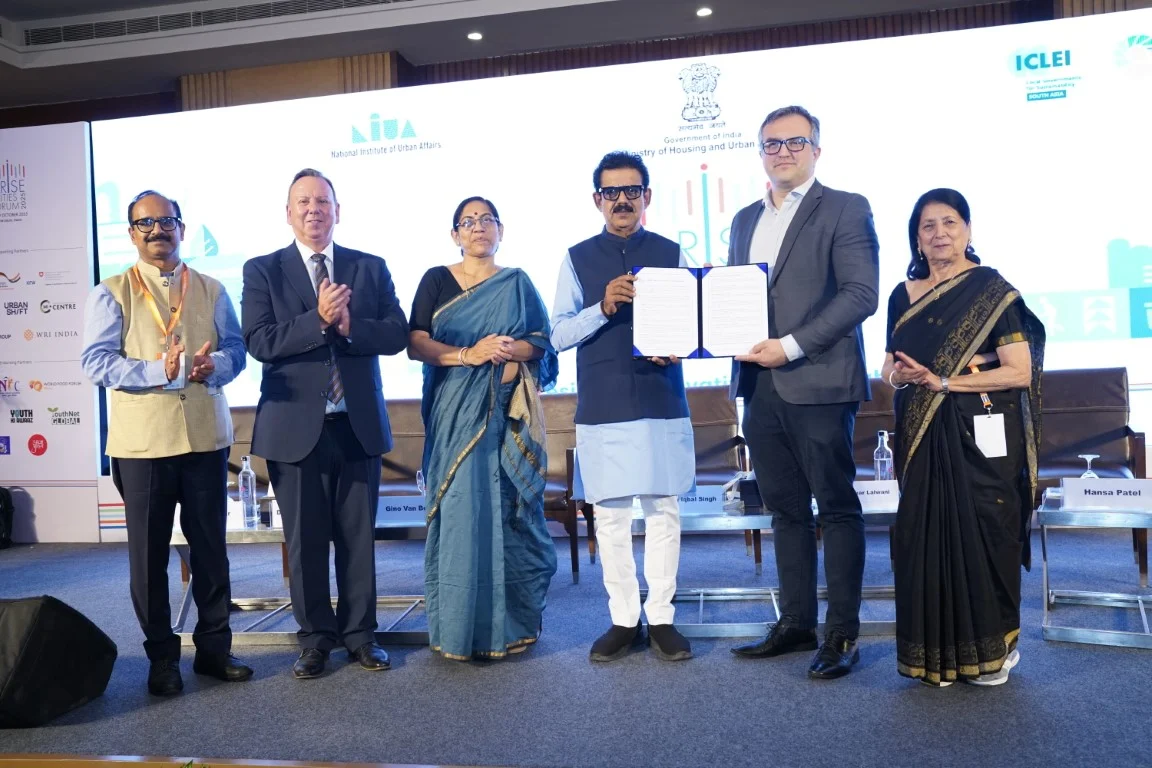
MoU Exchange
Memorandum of Understanding Exchange between Global Buildings Performance Network and ICLEI- Local Governments for Sustainability, South Asia
Presentation: Healthy & Climate Resilient Affordable Housing: Experiences from Indian Cities
Presenter:
Panel Discussion: Bridging the Gap: Health and Climate-Resilient Urban Planning
Moderator:
Panellists:
PARALLEL SESSION 7
The session aims to move from young people’s voices to policies and plans that act on them. The discussions in the session will revolve around identifying partnerships between youth, city governments, media and institutions to scale up child- and youth-focussed climate policy and also build approaches to embed youth in governance.
Welcome and introduction:
Keynote Address 1 - Children and the Urban Climate Crisis: Evidence on Heat and Air Pollution, and what Child-Responsive Climate Policy requires
Keynote Address 2 - From Framework to Practice: Embedding young people in Urban Climate Governance through the ACT Framework
Moderator:
Panellists:
Presentation by winners of the ARISE Cities Forum Youth for Climate Hackathon 2.0 | Action-Oriented Transition: Translating Resilient, Scalable, and Inclusive Solutions for Circular Cities
Felicitation of Hackathon winners with the Ritu Thakur Memorial Award
Launch: Poster Release - Early Action for Children’s Health (EACH): Towards Heat Resilience and Clean Air
Plenary 2
The session will explore the urgent need to mainstream Disaster Risk Reduction (DRR) and resilience into urban planning, development and institutional frameworks, with a particular focus on localised Loss & Damage (L&D) assessment. It will bring together experts and city experiences to discuss practical barriers, enabling factors and opportunities for strengthening long-term resilience through inclusive, preparedness and mitigation-oriented approaches to DRR and the scope and need for localised L&D assessment covering both economic and non-economic losses.
Introduction:
Keynote Address:
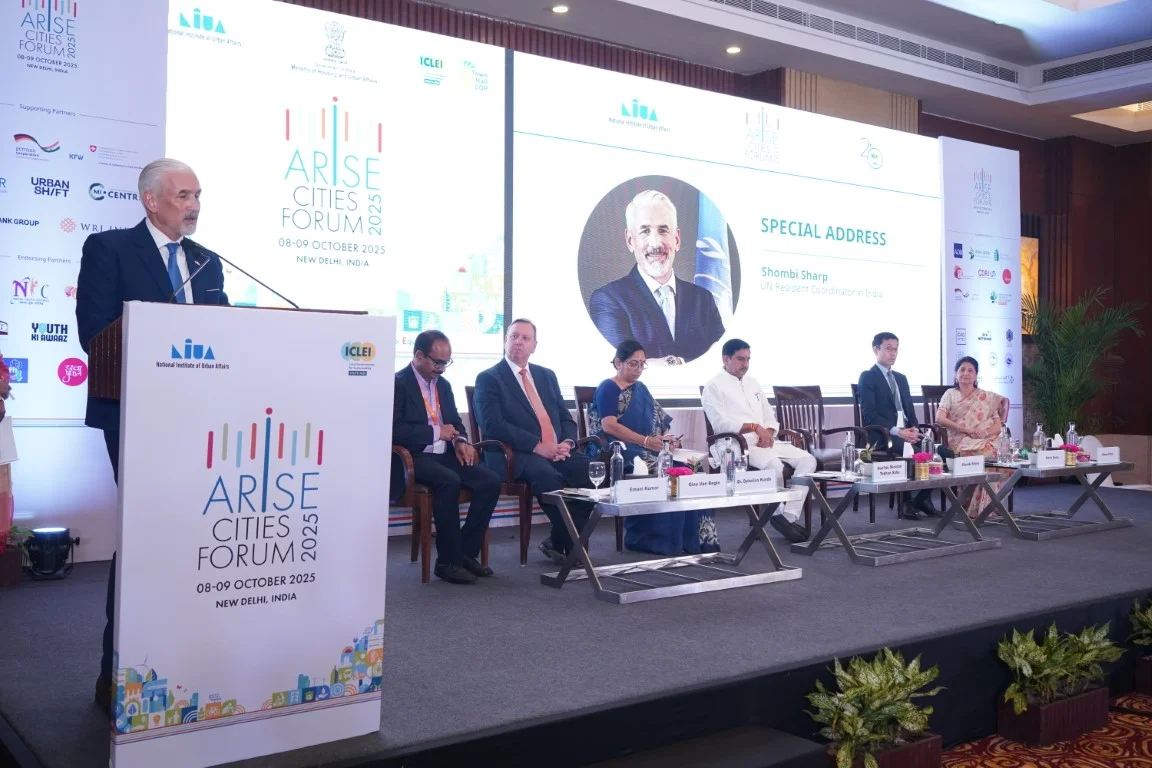
Special Address:
Pre-recorded messages:
Special Address:
Launches:
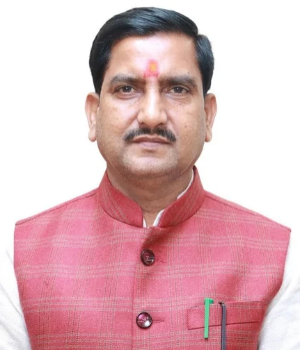
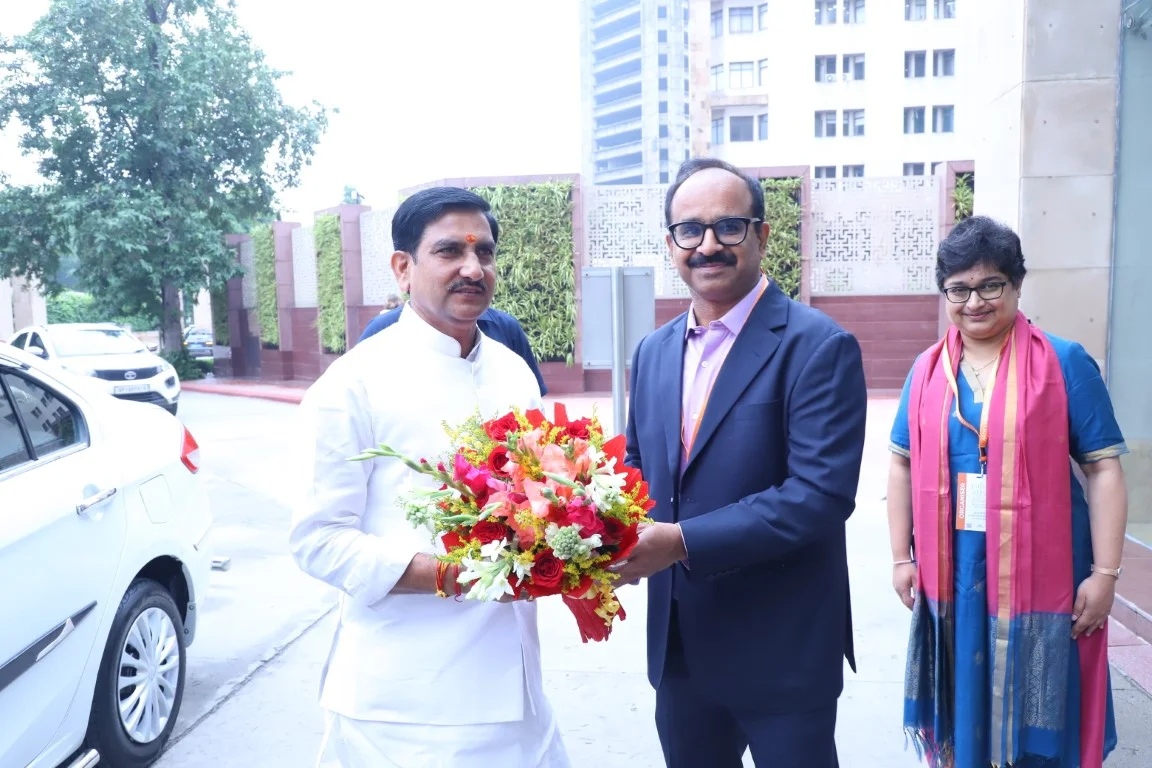
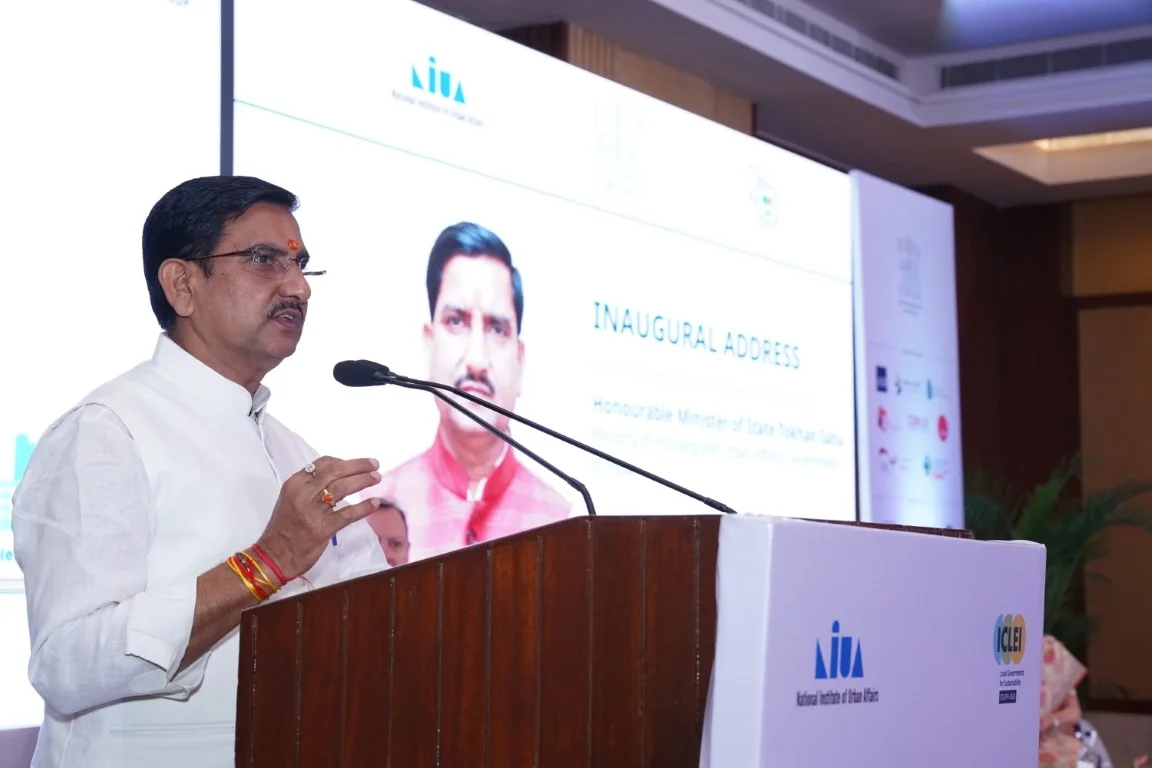
Hon’ble Minister of State for Housing and Urban Affairs, Government of India
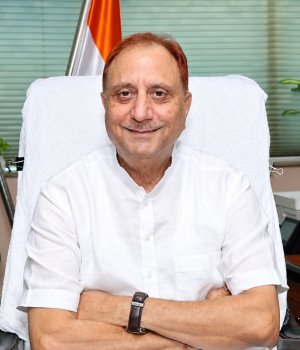
Hon’ble Mayor of Delhi
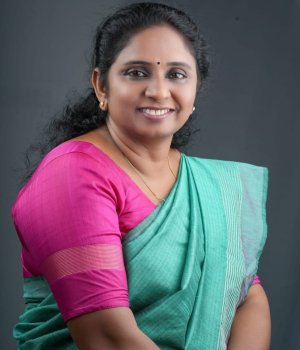
Hon'ble Mayor of Kochi
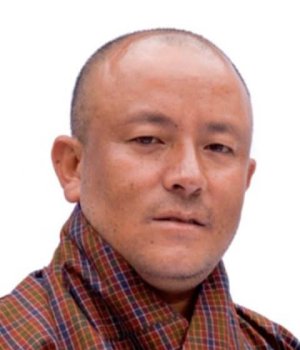
Hon’ble Mayor of Samdrup Jongkhar Thromde, Bhutan
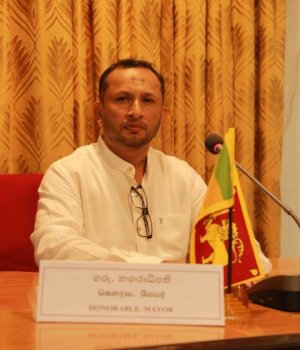
Hon’ble Mayor of Puttalam Municipal Council, Sri Lanka
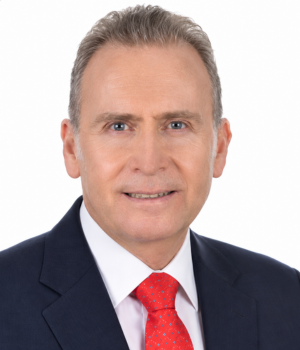
Ambassador of the Republic of Türkiye to India
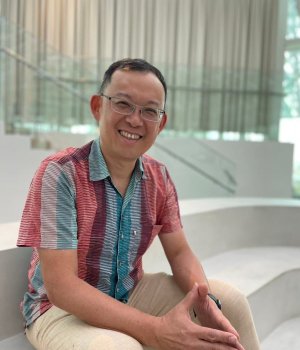
Ambassador, Taipei Economic and Cultural Centre in India
Economic Counsellor, Head of Economic Affairs, Kingdom of the Netherlands to India, Nepal and Bhutan
Delegated Representative Water, Embassy of the Kingdom of the Netherlands in India
Head of Environment and Climate Division, Embassy of the Federal Republic of Germany in India
Thematic Lead for Urban and Infrastructure, Global Environment Facility
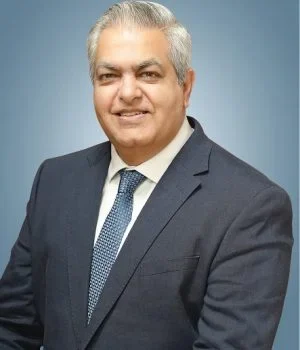
Director General, Coalition for Disaster Resilient Infrastructure, India
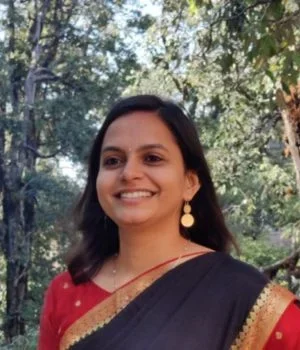
Joint Commissioner Municipal Administration, Directorate of Municipal Administration,Tamil Nadu, India
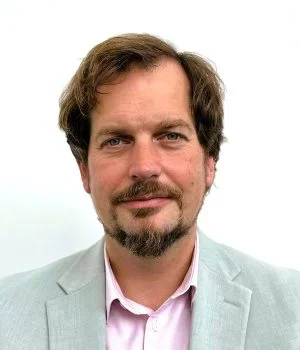
Counsellor, Climate and Environment, Royal Norwegian Embassy in New Delhi
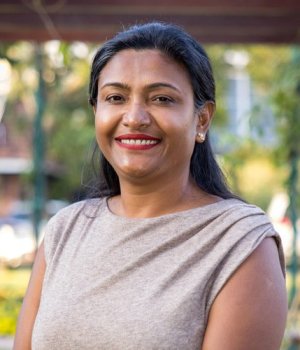
Senior Intervention Manager – Foresight, International Centre for Integrated Mountain Development (ICIMOD)
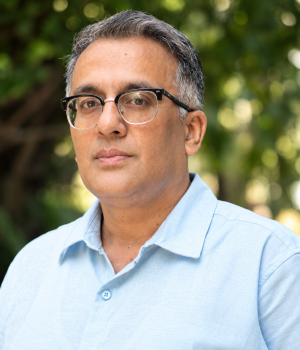
Director, Participatory Research In Asia (PRIA), India
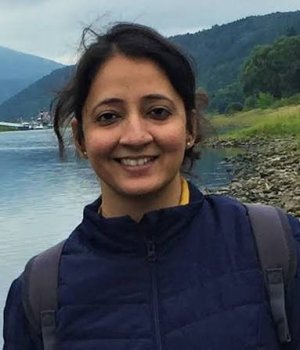
Senior Advisor, Indo-German Biodiversity Programme
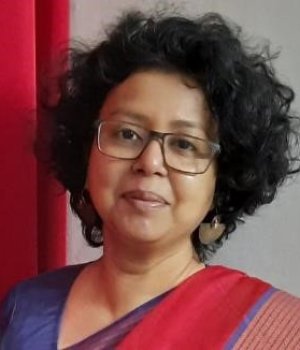
Urban Heritage & Sustainability Strategist Steering Committee Member, HERITOPOLIS
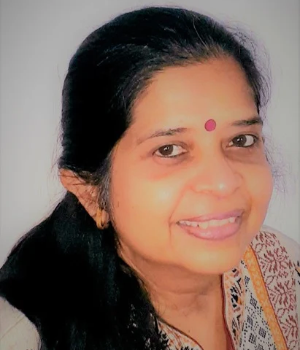
Director, Centre for Center for Early Childhood Education and Development, BR Ambedkar University, Delhi